
November 3, 2025
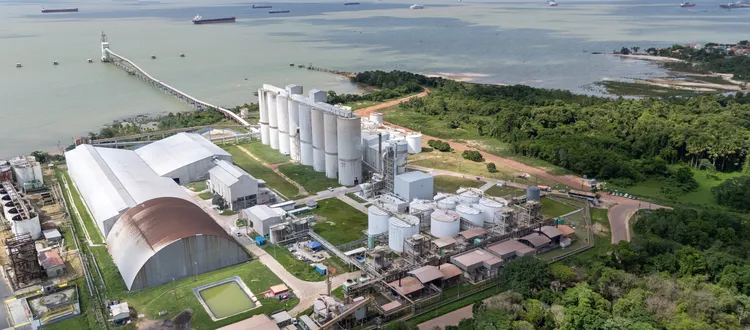
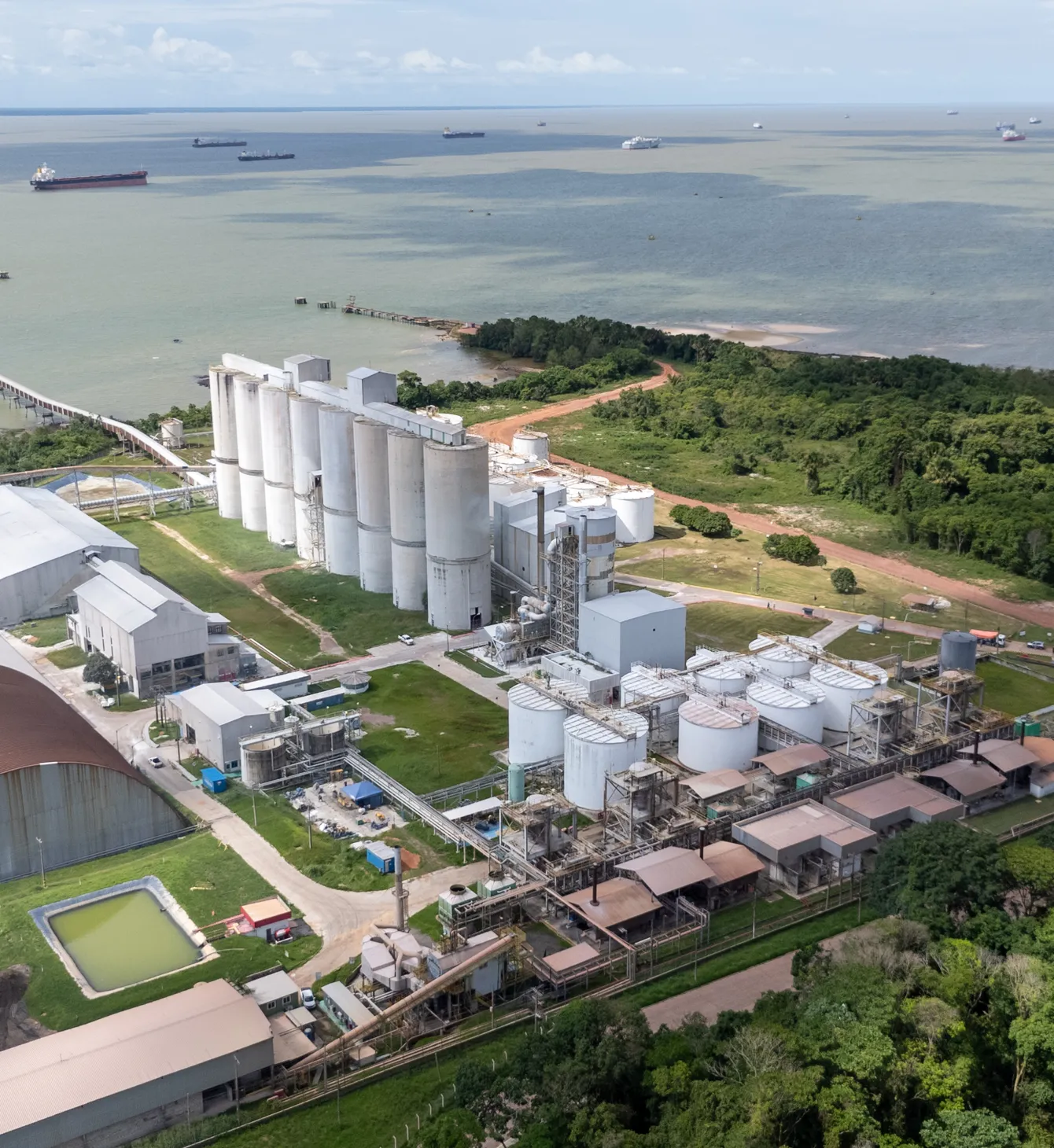
In September 2025, operations at Artemyn’s private port facility in Brazil were severely disrupted following an unexpected third party’s barge collision accident that temporarily halted maritime shipments. The incident, which caused structural damage to part of the loading infrastructure, created immediate logistical challenges for the company’s export operations. While safety protocols were swiftly activated and no environmental impact was reported, the interruption posed a significant test for Artemyn’s supply chain and its ability to maintain reliable deliveries to customers around the world.
From the outset, Artemyn’s leadership team made it clear that ensuring continuity of product deliveries, preserving safety and environment, would be the top priority. Despite the constraints caused by the temporary shutdown of its private port, the team mobilized rapidly to assess alternative logistics solutions. Cross-functional task forces were established, bringing together operations, logistics, compliance, and commercial teams to safeguard supply commitments to clients in Europe, North America, and Asia. An average of 50,000 tons of cargo has been loaded monthly through the public port of Vila do Conde, in addition to an average of 8,000 tons in containers destined for Asia are exported to these countries.

“While the accident at our private port was a serious setback, it forced us to explore alternative routes and partnerships. In many ways, it accelerated innovations in our logistics approach that we might not have pursued otherwise.” said Anderson Rocha, Artemyn South America Production Director.
A key step in this effort was Artemyn’s request for support from the Federal Government to enable the use of the public port of Porto de Vila do Conde. With the collaboration of local authorities, the company secured authorization to embark its products through Vila do Conde public port, ensuring that export flows could resume under a revised logistics framework. This public-private cooperation proved instrumental in minimizing disruption and preserving customer confidence across international markets.

“This incident presented unprecedented challenges, yet simultaneously offered a crucial opportunity for innovative problem-solving. We were compelled to re-engineer our delivery model almost instantaneously, which necessitated a transition toward greater agility and creativity in how we deliver services to our customers,” stated Guilherme Barbosa, Artemyn South America Logistic Manager.
Central to the success of this transition was the strong engagement and commitment of the local team in Barcarena. Employees worked tirelessly to develop and implement a new product delivery plan that did not rely on Artemyn’s private port infrastructure. Their collaboration, adaptability, and determination ensured that shipments continued to move efficiently via Vila do Conde, reinforcing Artemyn’s reputation as a reliable global supplier even in the face of adversity.
Structure Recovery
✅The next Challenge:
The Artemyn team has been focused on the recovery of the conveyor belt structure damaged in the incident. With that, the company expects to operate with its private port by the start of 2027. This phase is divided into two main stages:
✅ Stabilization and Dismantling
This stage involves stabilizing the structure affected by the barge collision, making it safe for subsequent dismantling of the damaged section. The activities are being conducted by a consortium specializing in port works
In parallel, the executive project for the definitive recovery of the structure is being developed.
Barges positioned for stabilization and dismantling of the affected part.
✅ Construction of the New Structure
This consists of reconstructing the affected structure, including the support columns and all utilities necessary for the full functioning of operations. This phase will begin immediately after the completion of the emergency phase, following the execution schedule that is being developed.The estimated time for structure recovery is between 9 and 12 months.

